An interview on material, memory, nature and consciousness
Swiss artist Andrea Donner works at the intersections of painting, material and space. Her practice brings together reused textiles, natural substances and abstract forms with questions of memory, perception, transformation and inherited experience. In this conversation, she reflects on the origins of her practice, the significance of material, and the ideas that connect her visual work with her 2026 publication, Die Kunst des Daseins – The Art of Being.
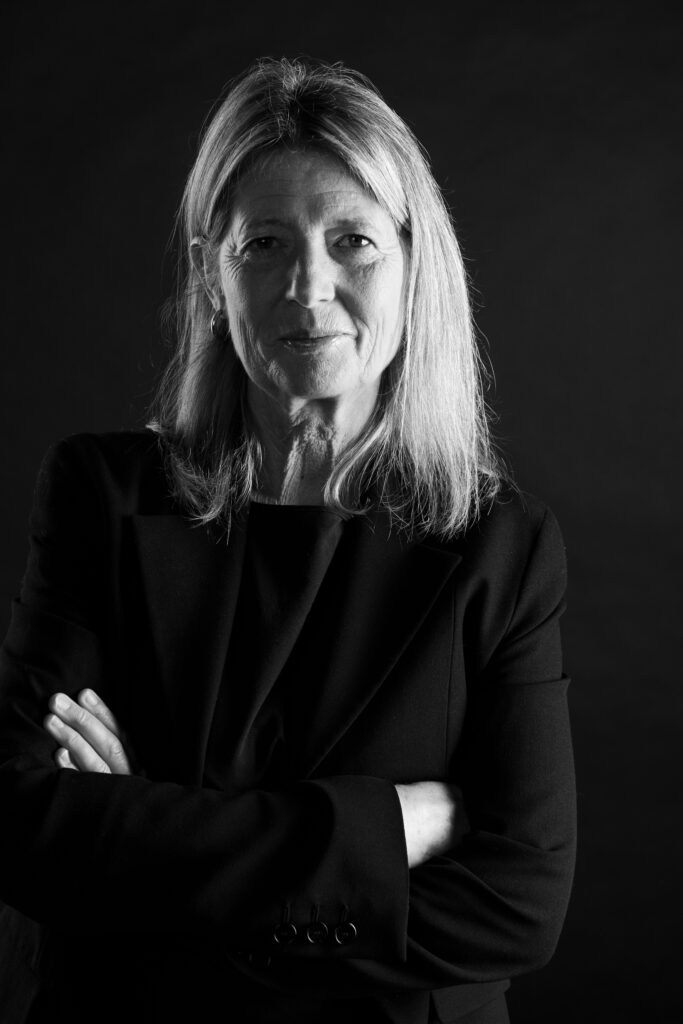
| “Art became a way for me to give less visible processes a material presence.” |
Fine Art Magazine: Your artistic practice brings together painting, textiles, natural materials and questions of consciousness. Where does this approach originate?
Andrea Donner: I grew up in Central Switzerland within a large family and in an environment where traditions, nature and practical knowledge were very present. My training in textile design and nutrition, as well as my experience with beekeeping, influenced the way I understand materials and processes.
Over time, I became increasingly interested not only in what we see, but also in what lies beneath the visible: memories, emotions, relationships and patterns that shape us, often before we are consciously aware of them. Art became a way for me to give these less visible processes a material presence.
Fine Art Magazine: Old linen and reused textiles have played an important role in your work. What attracts you to materials that already have a history?
Andrea Donner: Used fabrics are never completely neutral. They carry traces of time and human experience. A damaged area, an old seam or an irregularity is not necessarily something I want to hide. It can become part of the work and part of its story. I sometimes add new seams or combine fragments so that something new can emerge from what already exists.
There is a connection here with Wabi-Sabi and the beauty found in imperfection and incompleteness. It is also personal for me. My grandmother had fabrics that were part of her trousseau, objects into which a great deal of time and care had been invested. Working with such materials can acknowledge what came before us while allowing it to continue in another form.
Fine Art Magazine: Your material vocabulary extends far beyond traditional paint. Why are substances such as ash, lime, wax, charcoal and earth important to you?
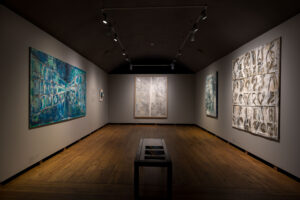
Andrea Donner: Materials have their own character and their own history. I work with linen, pigments, acrylic, ink, charcoal, wax, lime, ash and other natural substances. Beeswax is particularly meaningful because of my relationship with beekeeping. These materials are not simply tools for producing an image; they introduce ideas of origin, transformation, fragility and continuity.
I am interested in allowing the material itself to participate in the work. A surface can retain a trace, resist an intervention or suggest an unexpected direction. That dialogue is important to me.
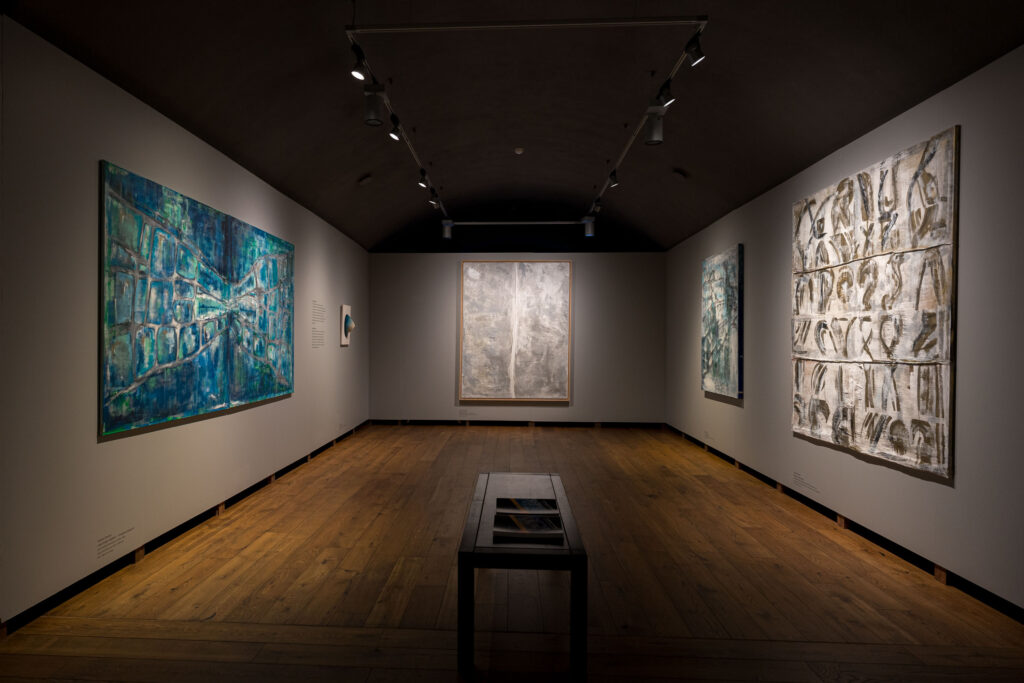
Fine Art Magazine: Nature is clearly present in your work, yet your paintings are primarily abstract. How do you understand that relationship?
Andrea Donner: I am less interested in depicting nature literally than in exploring its processes: growth, transformation, connection, rhythm and resilience. Nature constantly demonstrates that change is not an exception; it is part of existence.
Works such as Sprout and Timelines reflect this interest in growth and interconnectedness. Lines, sections, seams and layers can suggest different paths or moments that remain connected to a larger whole. For me, abstraction creates the freedom to experience these relationships rather than simply illustrate them.
Fine Art Magazine: Your recent work increasingly addresses perception, inherited patterns and consciousness. Has your understanding of art changed?
Andrea Donner: I increasingly see art as a space of encounter. I do not want a work to explain a theory or provide a fixed answer. I want it to create a space in which perception can slow down.
Questions about what we inherit – emotionally, culturally and through relationships – have become increasingly important. What shapes us? What remains unconscious? At what point can an inherited pattern become a conscious decision? My project Art as Legacy and the series Silent Inheritance explore these transitions between memory, belonging, awareness and choice.
Fine Art Magazine: Your work has been presented internationally in Europe and Asia. What does this wider dialogue mean to you?
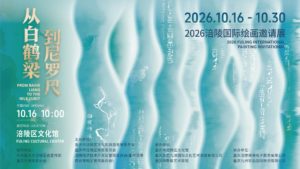
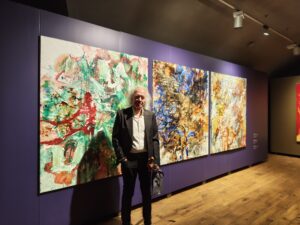
Andrea Donner: It is fascinating to see how a work can enter different cultural environments and still create resonance. International exhibitions have brought my work into dialogue with audiences, artists and curators from very different contexts.
The setting changes, but fundamental questions about connection, transformation and human experience can cross cultural boundaries. I value that exchange because it can open new ways of seeing both the work and ourselves.
Fine Art Magazine: In 2026, Pashmin Art Publisher is publishing Die Kunst des Daseins – The Art of Being. How does the book relate to your artistic journey?
Andrea Donner: The book brings together questions that have accompanied my work for years: How can we live consciously without trying to control life? How do perception, emotion and experience shape our choices? And how can we take responsibility for what we create from what we have inherited?
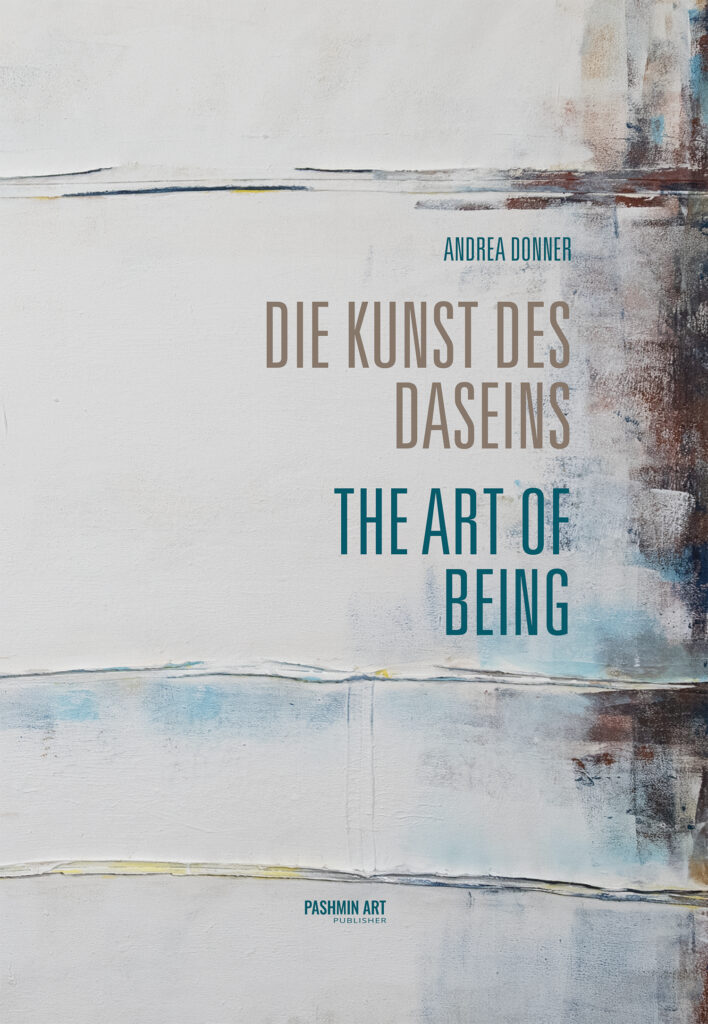
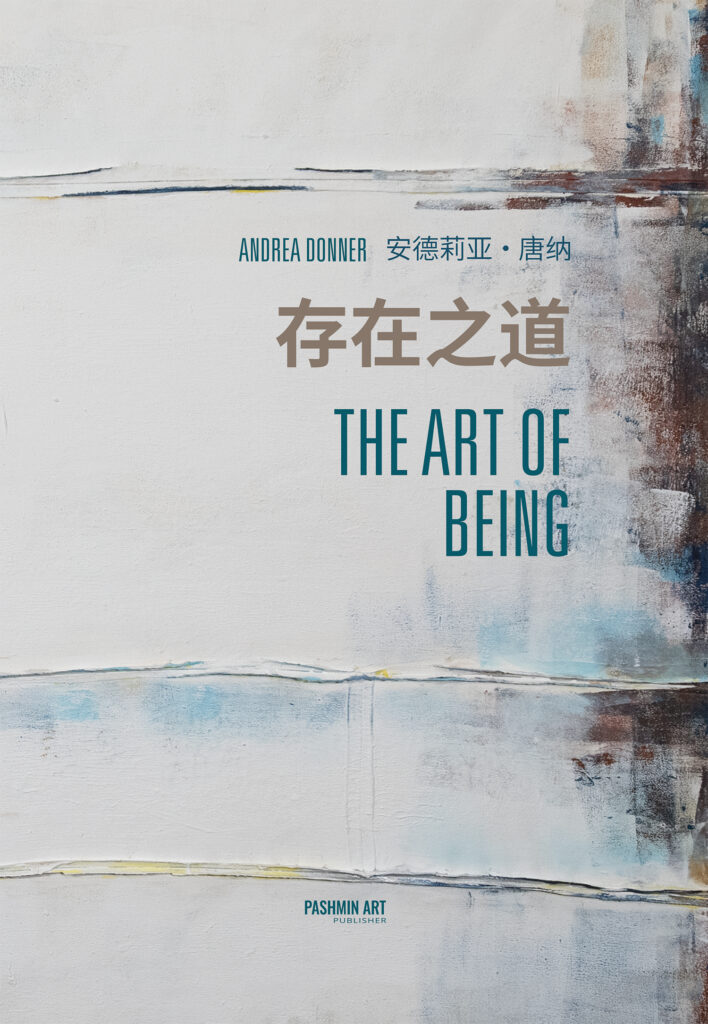
The Art of Being is not about self-optimisation. It is about presence, inner orientation and the freedom to make conscious choices. In that sense, the book and the artworks belong to the same exploration. The publication, appearing in a bilingual German-English edition and in a separate Chinese-language edition, also reflects something important to me: these questions are deeply personal, but they are also universal.
The interview was conducted by Dr. Davood Khazaie (Literary Art Critic and International Curator).